
Eligibility Criteria for Non-Emergency Transportation
Getting to a doctor, dialysis center, hospital, or therapy appointment should not depend on whether you have access to a car. For many people, transportation is a practical barrier to receiving necessary healthcare. Non-emergency medical transportation (NEMT) helps eligible individuals travel safely to healthcare appointments when an ambulance is not medically necessary.
But who actually qualifies for NEMT? What factors determine eligibility to use non-emergency transportation services?
Understanding the eligibility criteria for non-emergency transportation can make the process easier for patients, caregivers, and healthcare facilities. While requirements can vary depending on the state, health plan, and transportation program, there are several common factors used to determine whether someone qualifies.
Who Is Eligible for NEMT Services?
While exact rules vary by state, insurer, and individual NEMT providers, most eligibility frameworks look at a combination of the following factors:
1. Medical Necessity
The first consideration is usually the reason for the trip.
NEMT is intended for healthcare-related transportation rather than everyday travel. Eligible trips may include:
- Doctor appointments
- Hospital visits
- Specialist appointments
- Physical therapy
- Dialysis treatments
- Cancer treatment
- Clinic visits
- Hospital discharge transportation
- Nursing home or healthcare facility visits
For example, patients receiving regular dialysis may need transportation services several times each week. Reliable transportation can make it easier to maintain a consistent treatment schedule.
Similarly, individuals undergoing chemotherapy or other ongoing treatments may require recognized transportation to healthcare facilities.

2. Functional or Mobility Limitations
Individuals who have difficulty walking, standing, or getting into a standard vehicle may require specialized transportation.
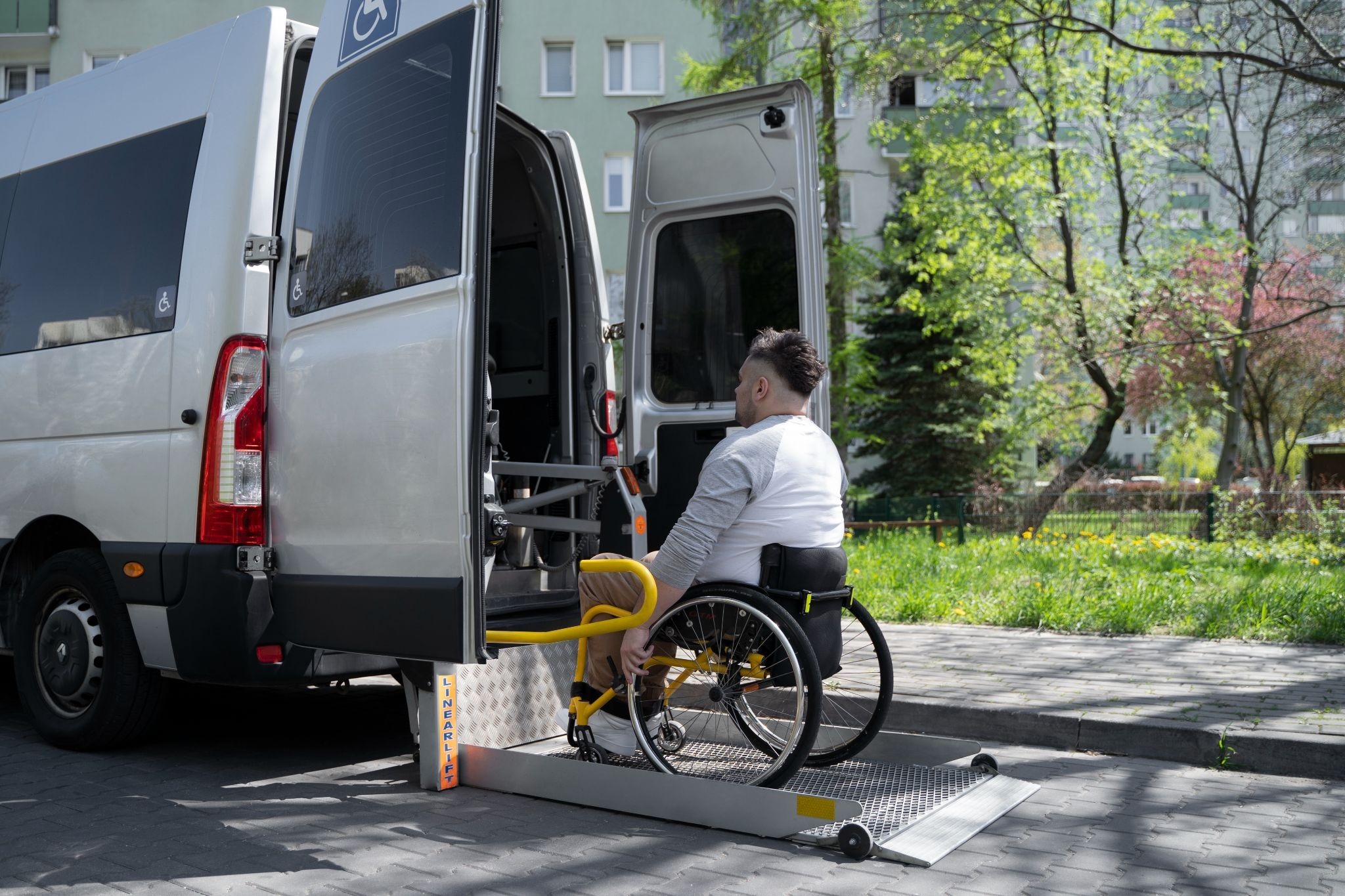
Depending on the provider and vehicle, NEMT services can accommodate passengers who use wheelchairs, walkers, or other mobility aids. Wheelchair-accessible vehicles can make it easier for passengers to travel without transferring out of their wheelchair.

3. Recurring or Long-Distance Needs
Some conditions call for transportation that goes beyond a single ride:
- Dialysis transportation services, often needed three times a week for ongoing kidney treatment
- Long-distance medical transport for patients traveling to regional hospitals, cancer centers, or specialists not available locally
- Scheduled recurring rides for chemotherapy, physical therapy, or outpatient rehab
4. Individuals Without Reliable Transportation
One of the most common reasons someone may qualify for non-emergency transportation is a lack of reliable transportation.
If you do not own a vehicle, cannot access public transportation, or have no family member or caregiver available to provide a ride, NEMT may provide an alternative. Some programs require documentation showing that other transportation options are unavailable or unsuitable.
5. Seniors Who Need Transportation Assistance
Older adults may have difficulty driving safely, particularly when they have stopped driving or need assistance getting to medical appointments.
Senior passengers may use NEMT for routine healthcare visits, therapy, diagnostic testing, and other approved medical trips. Some transportation providers also offer additional assistance to help passengers travel more comfortably.
6. Medicaid and Insurance Eligibility
For people receiving Medicaid, transportation benefits may be available for certain medically necessary appointments. However, eligibility rules vary by state and program.
A Medicaid program may consider factors such as:
- Whether the individual is enrolled in a qualifying plan
- Whether the trip is for a covered medical service
- Whether the appointment is medically necessary
- Whether other transportation options are available
- Whether the transportation provider is approved by the program
- Whether prior authorization is required
Some plans may require passengers to schedule rides through a designated transportation broker or transportation coordinator. Because requirements can vary, it is important to check with your Medicaid plan or healthcare provider before scheduling a ride.
If you're not covered by one of these programs, other options are still available - you'll just be responsible for the fare directly.
Does Using a Wheelchair Automatically Qualify You?
Not necessarily. Using a wheelchair does not automatically make someone eligible for NEMT services. Eligibility depends on factors such as the individual’s medical needs, insurance coverage, and the requirements of the transportation program or provider.
However, mobility needs are important when arranging non-emergency medical transportation. For example, wheelchair users may require a wheelchair-accessible vehicle instead of a standard passenger vehicle.
When booking NEMT, patients should provide accurate information about their mobility needs so the transportation provider can arrange the appropriate vehicle and assistance.
What Information is Needed to Schedule NEMT?
Once a person meets the applicable eligibility requirements, the transportation provider or health plan may need information to arrange the trip.
Patient information:
Name, contact information, and insurance or Medicaid details may be required.
Appointment details:
The transportation service may need the date, time, location, and type of medical appointment.
Mobility requirements:
Patients should explain whether they walk independently, use a wheelchair, require assistance, or have other transportation needs.
Pickup and destination information:
Accurate pickup and drop-off details help the provider plan the trip appropriately.
Recurring treatment schedule:
Patients who attend dialysis, physical therapy, or other recurring appointments may be able to arrange scheduled transportation in advance.
Providing complete information helps the transportation provider select an appropriate vehicle and plan the ride efficiently.

Choose Kerico Health Care for Non-Emergency Medical Transportation
At Kerico Health Care, we provide non-emergency medical transportation designed around the needs of patients who require dependable transportation to healthcare-related destinations. Our services include transportation for medical appointments, dialysis, hospitals, clinics, wheelchair users, and other eligible healthcare needs.
Whether you need a one-time ride or help coordinating recurring transportation, booking with Kerico can make healthcare travel more manageable.
If you are searching for NEMT services, medical transportation, or transportation for recurring medical appointments, start by understanding your eligibility and transportation needs. Then choose a provider that can deliver a safe and appropriately equipped ride.


